How to Winterize Your Sprinkler System in Middle Tennessee
Middle Tennessee winters are mild compared to the North, which is exactly why so many homeowners get caught off guard. One sudden cold snap, the kind that drops Gallatin or Hendersonville into the teens overnight, can freeze the water sitting in your sprinkler lines and crack pipes, valves, and backflow preventers. The result is a soggy yard, a high water bill, and an expensive repair the following spring.
The good news is that freeze damage is almost entirely preventable. In this guide, we'll cover when to winterize your irrigation system in Middle Tennessee, what the process involves, and which parts are most vulnerable to winter weather.
1. Why Winterizing Matters in Middle Tennessee
Our region is known for back-and-forth winter weather. It's common to have a 60-degree afternoon followed by a hard freeze a few days later. Those freeze-thaw cycles are tough on irrigation components because water expands when it freezes, putting pressure on anything it's trapped inside.
The most vulnerable part of most systems is the backflow preventer , the above-ground assembly that keeps irrigation water from flowing back into your home's drinking water supply. Because it sits exposed near the foundation, it's often the first thing to crack. Replacing one can cost far more than a simple fall winterization visit.
2. When to Winterize Your Sprinkler System
In Sumner and Wilson County, the first frost typically arrives from late October into early November, with hard freezes becoming more likely as November goes on. We recommend scheduling your winterization in late October through mid-November , ideally before the first forecast of temperatures in the mid-20s or lower.
Don't shut things down too early, though. If you overseeded your lawn this fall, new grass still needs consistent moisture. Our lawn care team can help you time your last watering so new seed gets established before the system goes to sleep for the winter.
3. Step-by-Step: How Sprinkler Winterization Works
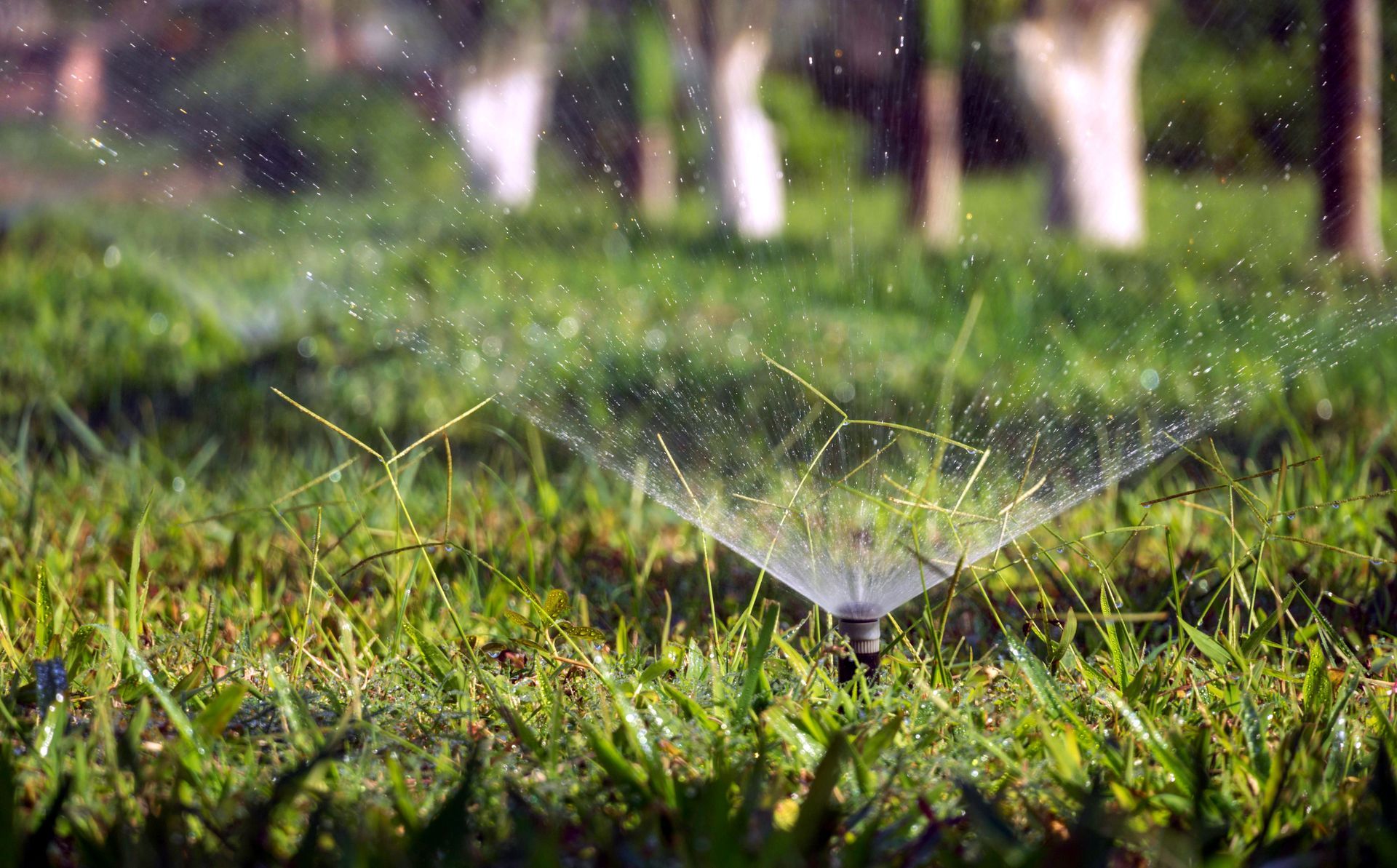
Every system is a little different, but a professional winterization generally follows these steps:
- Shut off the water supply to the irrigation system at the main isolation valve.
- Set the controller to "off" or "rain mode" so it doesn't try to run zones over the winter. Most controllers keep their programming, so spring startup is simple.
- Drain or blow out the lines. Depending on the system, water is removed through manual or automatic drain valves, or by carefully pushing compressed air through each zone.
- Drain and protect the backflow preventer by opening the test cocks and, where appropriate, adding an insulated cover.
- Inspect for problems such as broken heads, leaking valves, or damaged wiring, so repairs can be planned before spring.
A word of caution on DIY blowouts: using too much air pressure, or running air through a zone for too long, can damage sprinkler heads and fittings. Air compressors also need to be rated for the volume your system requires. If you're unsure, it's worth having a professional handle it.
4. Common Winter Mistakes to Avoid
- Leaving the controller running and letting zones cycle during freezing weather, which can create ice on sidewalks and driveways.
- Forgetting the backflow device , which is the most expensive single component to replace.
- Ignoring drip zones in flower beds, which also hold water and can split in a hard freeze.
- Skipping it in a "mild" year. Middle Tennessee averages several hard freezes each winter, and it only takes one.
5. Plan Ahead for an Easy Spring Startup
Winterization is also the perfect time to think about upgrades. If your system has dry spots, mismatched heads, or an outdated timer, a smart Wi-Fi controller and updated zoning can save water and improve coverage next season. Fall is also a good time to fix low spots and drainage issues; soggy areas often point to a leak or a grading problem that can be corrected before spring. Learn more about our irrigation system installation and repair services.
When was the last time your sprinkler system had a full inspection? If you can't remember, this fall is a great time to start.
Schedule Your Sprinkler Winterization Today
A few minutes of prevention now can save you from cracked pipes, a broken backflow preventer, and a costly spring repair. By winterizing between late October and mid-November, protecting exposed components, and inspecting your system before it goes dormant, you'll be ready for a smooth startup when warm weather returns.
Rainey Landscape Group is a veteran-owned company serving Gallatin, Hendersonville, Mt. Juliet, Lebanon, and surrounding Middle Tennessee communities. Call us at 615-294-9011 or contact us online to get on our fall winterization schedule before the first hard freeze.
You might also like
Rainey Landscape Group Blog